
Heat Pumps
Heat Pump Installation & Service in Bowmanville and Durham Region
If you are a homeowner in Bowmanville or the surrounding Durham Region and you have been looking into ways to lower your energy bills, reduce your carbon footprint, or replace both your furnace and air conditioner with a single system, a heat pump is worth serious consideration.
Heat pumps are not new technology, but they have improved significantly in the last decade. Modern cold-climate heat pumps are designed to operate efficiently in Canadian winters, and government rebate programs have made the upfront cost more manageable than it used to be. Comfort Shop has been installing and servicing heat pump systems across the Durham Region for years, and we can help you figure out whether one is the right fit for your home.
This page covers how heat pumps work, the types we install, whether they can handle Ontario winters, what rebates are available, and what the installation process looks like.
Heat pump installation is available for homeowners across our entire service area, including Bowmanville, Courtice, Newcastle, Oshawa, Whitby, Port Perry, Lindsay, Bethany, Cavan, and Peterborough. Ductless heat pumps are particularly well suited to older homes that lack ductwork. A ductless air conditioner or ductless heat pump provides both heating and cooling through a wall-mounted indoor unit with no duct runs required. For Bowmanville homeowners looking for an energy-efficient alternative to a gas furnace, a heat pump paired with a gas furnace backup in a dual-fuel configuration delivers year-round comfort.
How a Heat Pump Works
A heat pump moves heat instead of generating it. In the winter, it extracts heat from the outdoor air (even in cold temperatures) and moves it inside your home. In the summer, it reverses the process and works like an air conditioner, pulling heat out of your home and releasing it outside.
Because a heat pump transfers heat rather than burning fuel to create it, it uses significantly less energy than a gas furnace. A well-matched heat pump can deliver two to three times more heating energy than the electricity it consumes, which is why they are rated with a COP (coefficient of performance) rather than the AFUE percentage used for furnaces.
The result is lower energy bills, reduced greenhouse gas emissions, and a single system that handles both heating and cooling year-round.
Types of Heat Pumps We Install
Not all heat pumps are the same. The right type depends on your home, your existing HVAC setup, and your goals. Here is what we carry and install.
Air-Source Heat Pumps
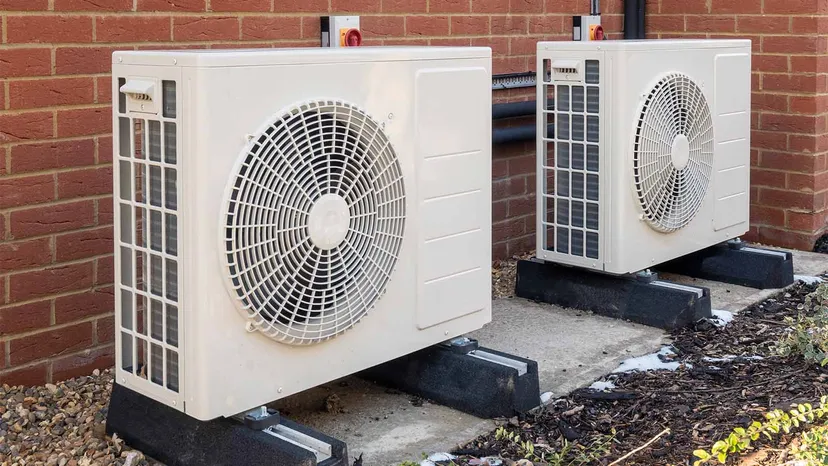
Air-source heat pumps are the most common type. They consist of an outdoor unit and an indoor coil connected to your existing ductwork. We install Lennox air-source heat pumps, which integrate with Lennox furnaces and the iComfort smart thermostat system for precise temperature control and remote monitoring.
Air-source systems work well for most homes in Bowmanville and the Durham Region, especially when paired with a backup gas furnace for the coldest days of the year (more on that in the hybrid section below).
Ductless Heat Pumps
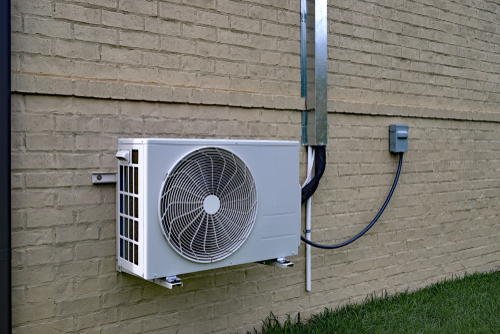
If your home does not have ductwork, or you need heating and cooling in a specific area like a finished basement, a garage conversion, or an addition, a ductless heat pump is the right solution. We install Mitsubishi Electric Mr. Slim ductless systems, which mount on the wall and provide independent temperature control for individual rooms or zones.
Ductless heat pumps are also a strong option for older homes across Oshawa and Whitby that were built without forced-air systems and currently rely on baseboard heaters or radiators.
Geothermal Heat Pumps
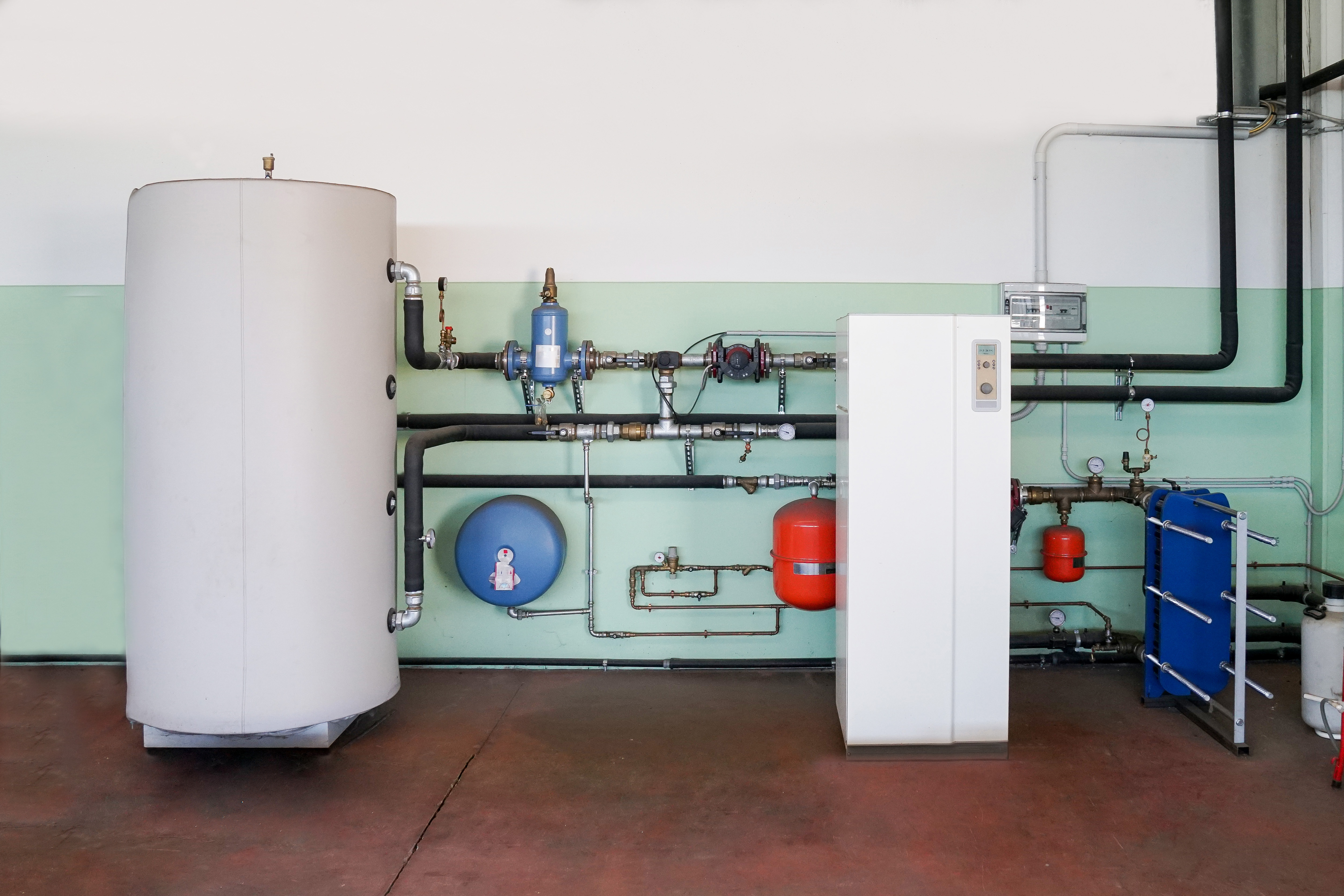
Geothermal systems (also called ground-source heat pumps) use the stable temperature underground to heat and cool your home. They are the most efficient type of heat pump available, but they require buried loops in your yard and a higher upfront investment.
Geothermal makes the most sense for homeowners who plan to stay in their home long-term and want the lowest possible operating costs. The payback period is longer than an air-source system, but the energy savings over the life of the system are substantial.
Continental Heat Pumps
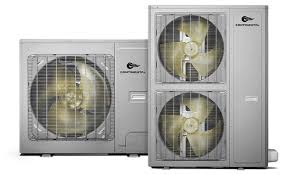
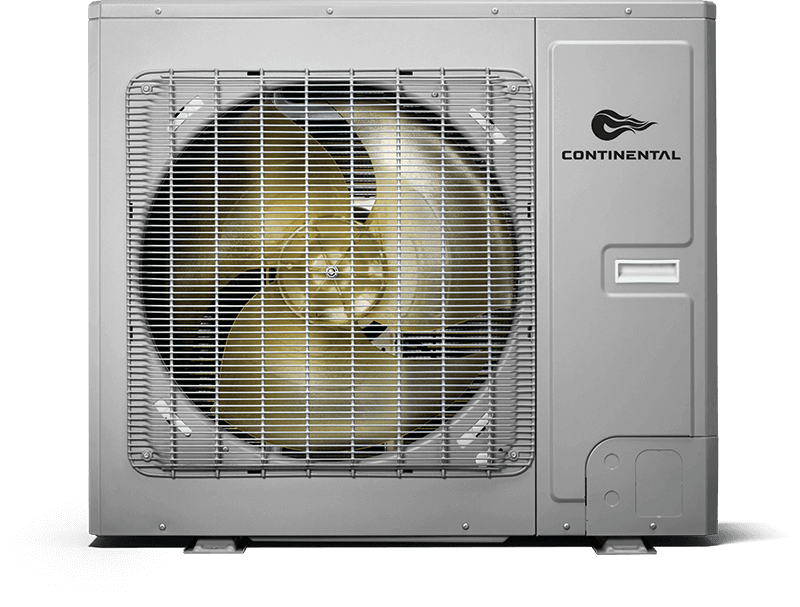
Continental is a trusted Canadian manufacturer, and their heat pumps are built for Canadian climates. They are known for durability, energy efficiency, and solid performance in both heating and cooling. As a Canadian-made product, Continental heat pumps are designed specifically for the demands of Ontario winters and summers. We install and service Continental heat pump systems across the Durham Region.
Hybrid Heat Pump Systems
A hybrid system pairs an air-source heat pump with a gas furnace. The heat pump handles heating during mild and moderate cold, and the furnace kicks in during the deepest cold stretches of the Ontario winter when temperatures drop below the heat pump's efficient operating range.
This is the most popular configuration we install for homeowners who want the efficiency benefits of a heat pump but are not ready to go fully electric. It gives you the best of both systems without compromising comfort on the coldest days. If your home currently runs on a gas furnace, a hybrid setup can be an efficient upgrade path.
Zobo-Central Heat Pumps
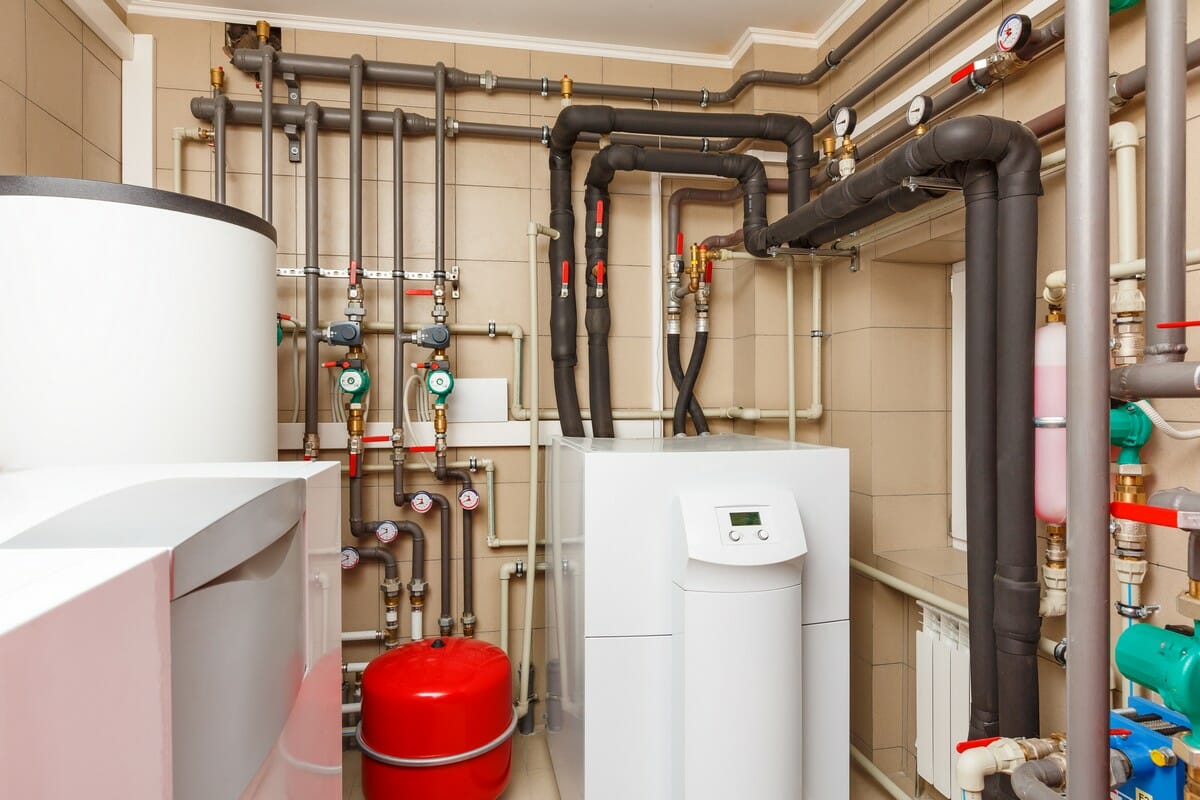
We also install Zobo-Central heat pump systems, which are designed for central heating and cooling applications. These are a strong option for homeowners looking for a centralized heat pump solution that ties into existing ductwork and provides whole-home climate control.
Will a Heat Pump Work in an Ontario Winter?
This is the most common question we hear, and it is a fair one. Ontario winters regularly drop below -20°C, and older heat pump models struggled in those conditions. Modern cold-climate heat pumps are a different story.
Today's air-source heat pumps are engineered to operate efficiently down to -15°C to -25°C depending on the model. Below that threshold, efficiency drops but the system does not stop working entirely. For the handful of nights each winter that push below the heat pump's rated range, a hybrid system with a gas furnace backup covers the gap without any manual intervention.
The honest answer is this: a properly sized, modern cold-climate heat pump will handle 90% or more of a typical Ontario winter on its own. For the remaining extreme cold days, a hybrid setup ensures you are never without heat. We assess every home individually and recommend the right configuration based on your location, insulation, and comfort expectations.
If you live in Janetville or closer to the lake, your winters are slightly milder than someone further north toward Peterborough. We factor that into every recommendation.
Rebates and Incentives for Ontario Homeowners
One of the biggest factors driving heat pump adoption in Ontario is the availability of government rebates. Depending on the program and your eligibility, rebates can reduce the upfront cost of a heat pump installation by several thousand dollars.
Programs to ask about include the Canada Greener Homes Grant (or its successor program), utility-specific rebates through your local electricity provider, and any active provincial incentive programs for energy-efficient home upgrades.
Rebate programs change frequently. Eligibility often depends on the type of heat pump, the efficiency rating of the unit, and whether your home has had an EnerGuide home energy assessment. We stay current on available programs and can help you understand what you may qualify for when you call for a quote.
Call 905-623-2956 to find out which rebates you qualify for.
When a Heat Pump Makes Sense (And When It Does Not)
Heat pumps are an excellent option for many homes, but they are not the right fit for everyone. Here is an honest breakdown.
A heat pump makes sense when:
- You want to reduce your natural gas consumption and lower your carbon footprint.
- Your furnace and AC are both nearing end of life and you would rather replace both with one system.
- You want to take advantage of available rebates to offset the upfront cost.
- Your home has good insulation and is relatively airtight, which maximizes heat pump efficiency.
- You are planning to stay in the home long enough to benefit from the energy savings.
A heat pump may not be the best choice when:
- Your home has poor insulation or significant air leakage, which forces any heating system to work harder than it should.
- You need a solution today and your budget is limited. A new gas furnace or tankless heating system has a lower upfront cost than a heat pump.
- Your home's electrical panel cannot support the additional load without an upgrade.
We are not going to push a heat pump on a home that is not ready for one. If your situation favours a different approach, we will tell you. That is how we have operated for 35 years, and it is why homeowners across the Durham Region keep coming back.
What the Installation Process Looks Like
Every heat pump installation starts with an assessment. Here is what to expect.
Home Assessment
We evaluate your home's size, insulation, existing HVAC equipment, ductwork (if applicable), and electrical panel capacity. This tells us what type and size of heat pump will work best.
System Recommendation
Based on the assessment, we recommend a specific system and configuration. We explain why, show you the numbers, and give you a clear upfront price. No pressure.
Scheduling and Installation
Once you approve the quote, we schedule the installation. Most residential heat pump installs take one to two days depending on the type and complexity. Geothermal systems take longer due to the ground loop installation.
Testing and Walkthrough
After installation, we test the system thoroughly and walk you through how it operates, including thermostat settings, seasonal switchover, and what to expect in terms of performance.
Ongoing Support
We service what we install. If you have questions after the installation, or if the system needs maintenance, call us at 905-623-2956. We also offer maintenance plans that cover annual tune-ups and priority scheduling.
Frequently Asked Questions
Get a Heat Pump Assessment for Your Home
The best way to find out whether a heat pump is right for your home is to talk to someone who installs them for a living and will give you a straight answer.
Call Comfort Shop at 905-623-2956 to book a home assessment. We will evaluate your home, explain your options, and give you a clear upfront quote with no obligation.
Comfort Shop
627 Viewlake Road, Janetville, ON L0B 1K0
905-623-2956